
French Roulette, also known as ‘Roulet a la Francaise’ is one of the most famous variations of the game along with the American and European versions. If you have already played the European roulette with the single zero, you will find that there are a lot of things common between both versions.
French Roulette: The Iconic Table Game
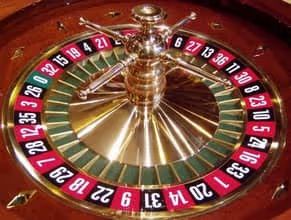
Both French and European Roulette are played on the typical roulette wheel with 36 numbers and a zero. However, the American roulette version is played with 36 numbers with an additional slot for double zeroes, making overall 38 slots, and thus 38 possible results contrary to the 37 results in European and French Roulette. This may seem like a very little difference, but it’s enough to make a big change in terms of the edge it gives to the house.
 When you play American roulette, the casino has an advantage of 5.25%. Dropping the extra double zeroes from the European version reduces this advantage to 2.7%. What is even better, is that the inclusion of a few extra rules in French roulette further reduces this advantage to 1.35%. This is why most players prefer it to play this game at online casinos.
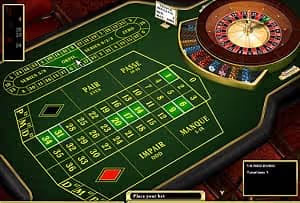
When you play French roulette, you will find that its table layout is a little different compared to that found in European roulette. Moreover, the wheel is located in a different place and the betting section of the table is laid out differently. Also worth noting is that chips are referred to as jetons! However, the roulette balls spin in the same way and lands on one of the numbers from 1 to 37. In order to play French roulette, you should place your bet with a jeton on at least one of the fields on the table, or on a group of numbers.
French Roulette Bets
The French roulette table is separated into two different sections: inner and outer sections. You can see the numbers displayed within the inner section, while the outer section comprises several groups of numbers ‘pair et impair’ (even or odd) or ‘rouge et noir’ (red and black).
- Inside Bets: In order to make inside bets, you will need to put your jeton directly on the number. You can also place the jeton on the line between two or four numbers, which indicates that you have placed the bet on the all the numbers touched by your jeton. Your bet is then spread across the different numbers.
- Outside Bets: In order to make outside bets, you need to put your jeton on one or more areas on the outer segment of the table layout. There are various options to place inside bets including ‘colonnes’ (columns), ‘manqué/ passe’ (1 – 18 or 19 – 36), even/ odd, red/ black, or on one of the ‘three douzaines’ (dozens). You win when the ball lands on any of the betnumbers during the round, also known as ‘croup’ in French.
Reviews (0)
No comments yet. Be the first to comment!